CHUNG HA Gets a Full KBS Kpop Stage Spotlight
The official KBS Kpop upload collects CHUNG HA performances from Music Bank, The Seasons and Open Concert into one career-spanning archive.
 By Ricky Joo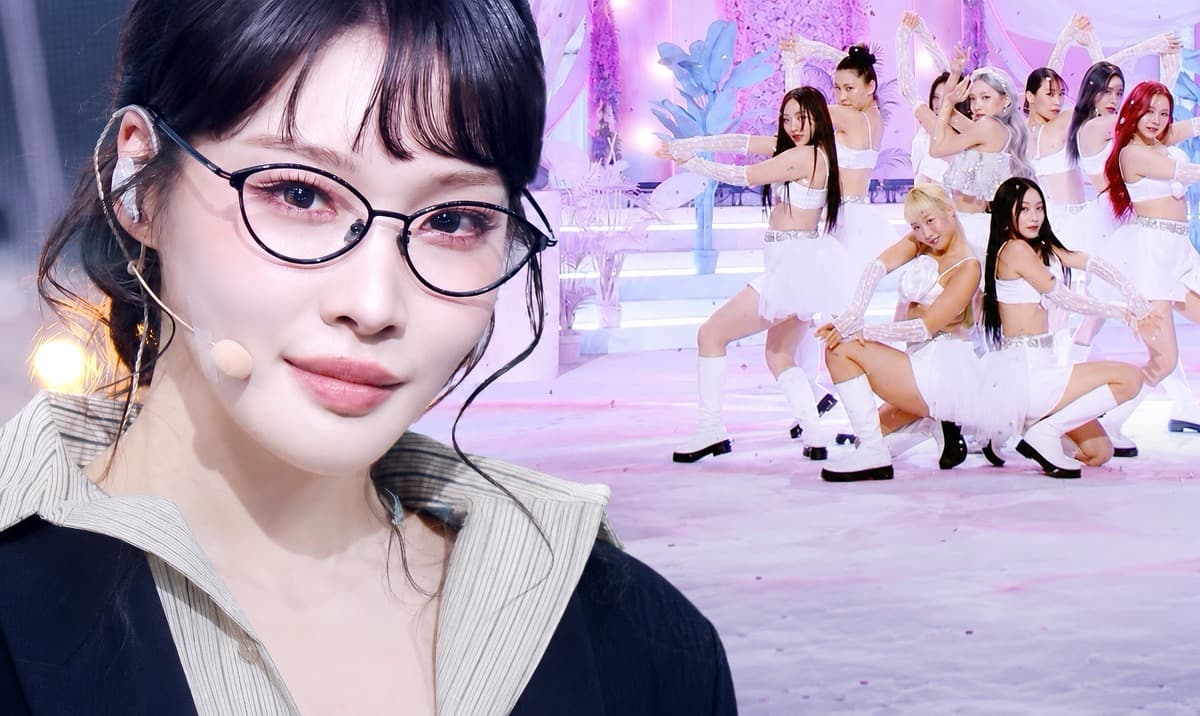
KBS Kpop has given CHUNG HA a full official stage spotlight, uploading a long-form YouTube compilation that gathers the singer's performances across Music Bank, The Seasons, Open Concert and KBS year-end stages. The video runs more than 74 minutes and functions as a curated map of her solo career on public-broadcast stages, moving from early signature songs such as "Why Don't You Know" and "Roller Coaster" to newer performances including "EENIE MEENIE" and "STRESS."
According to KBS Kpop's official YouTube channel, the playlist is built around CHUNG HA's own performance color, with the broadcaster presenting the upload as a chance to revisit her more mature and alluring stage presence. The compilation is an official broadcaster source, not a fan cam or unofficial edit, and it arrives as a convenient entry point for viewers who want to trace how CHUNG HA's choreography, styling and stage control have evolved over multiple eras.
The upload's value is in its range. Rather than promoting one isolated clip, KBS Kpop puts more than two dozen stage moments into one continuous viewing path. The track list includes "Why Don't You Know," "Offset," "Roller Coaster," "Love U," "Gotta Go," "Snapping," "Chica," "PLAY," "Bicycle," "Killing Me," "Sparkling," "EENIE MEENIE" featuring Hongjoong of ATEEZ, and "STRESS." It also mixes regular music-show performances with festival and live-program appearances, allowing fans to compare different camera languages and production moods.
A Career Told Through Broadcast Stages
CHUNG HA's career has always been unusually easy to read through performance. As a soloist who emerged from idol-group fame and built a distinct identity around dance, she has often used television stages as more than promotional stops. They are where her songs become visual arguments: the clean lines of "Roller Coaster," the midnight tension of "Gotta Go," the sharp confidence of "Snapping," and the club-ready release of "PLAY" each communicate a different version of her persona.
That is why a compilation like this can carry more editorial meaning than a simple playlist. KBS Kpop is effectively arranging CHUNG HA's broadcast history into chapters. Early songs introduce a bright, nimble soloist with enough precision to stand alone without the visual mass of a group. The later run shows a performer more comfortable with dramatic pacing, heavier styling and arrangements that leave space for attitude as much as technical execution.
The inclusion of multiple KBS formats also matters. Music Bank captures the weekly comeback-cycle version of CHUNG HA: compressed, camera-conscious and designed to sell a song quickly. Open Concert places her in a different frame, where vocal clarity and stage poise often sit closer to the center. The Seasons offers a more contemporary live-music mood, letting performances such as "STRESS" and "EENIE MEENIE" breathe in a setting where viewers expect personality as well as polish.
For newer international fans, this kind of broadcaster archive solves a real discovery problem. CHUNG HA has enough well-known singles that casual listeners may recognize one hook but miss the broader career shape. A long official compilation puts the catalog in sequence and lets the viewer understand why she remains one of K-pop's most performance-defined solo names.
From Roller Coaster to STRESS
The playlist's early stretch makes clear how quickly CHUNG HA established a solo language after debuting outside a project-group setting. "Why Don't You Know" and "Roller Coaster" lean into sleek pop movement, giving her space to appear light, controlled and camera-ready without overwhelming the song. Those stages still work because they understand restraint: CHUNG HA's appeal is not only in high-impact dance breaks, but in the way she holds focus through smaller transitions.
"Gotta Go" and "Snapping" mark a shift into darker, more sculpted pop. In a television-stage environment, both songs reward precise framing. A hand movement, a pause before the chorus or a clean turn toward the camera can become the moment fans replay. By placing these songs in the same compilation as earlier material, KBS Kpop lets viewers watch CHUNG HA move from promising soloist to performer with a fully formed visual signature.
The middle and later selections broaden that signature. "PLAY" brings brighter kinetic energy, "Bicycle" adds a harder-edged confidence, and "Killing Me" brings a more inward emotional tone. "Sparkling" returns to a lighter palette, while "EENIE MEENIE" adds collaboration interest through Hongjoong of ATEEZ. The latest "STRESS" stages then give the compilation a present-tense finish, connecting the retrospective to the performer CHUNG HA is still actively developing.
That arc is important because K-pop solo careers are often judged by reinvention. Groups can distribute concept changes across members, but a soloist has to carry every pivot with one body, one face and one interpretive center. CHUNG HA's KBS archive shows how she has navigated that challenge: she shifts concepts, but the throughline remains musicality, dance detail and direct command of the camera.
Why Official Archives Matter for Global Fans
Official YouTube compilations have become part of the K-pop memory system. Fans still share individual comeback stages, but long-form official uploads provide a cleaner way to revisit an artist's development without relying on scattered clips or unauthorized reuploads. For CHUNG HA, whose reputation is closely tied to stage quality, the difference is meaningful. The official KBS source preserves video quality, program context and proper rights attribution in one place.
The format also helps fans who discover artists out of order. A viewer may arrive through "EENIE MEENIE," then move backward to "Bicycle," "Snapping" or "Roller Coaster" without leaving the same video. That frictionless path is valuable in a platform environment where the next recommended clip can easily pull attention away. KBS Kpop's compilation keeps the focus on CHUNG HA long enough for a casual viewer to become a more informed listener.
There is also a broader industry reason these uploads matter. K-pop is increasingly global, but broadcast-stage culture remains rooted in Korean television. Music Bank, Open Concert, The Seasons and year-end festivals all carry different histories and expectations. By packaging those stages for YouTube, KBS turns domestic broadcast material into evergreen global content. It gives international fans access to performances that once depended heavily on live viewing windows or fragmented fan circulation.
For the broadcaster, the compilation extends the shelf life of archived performances. For the artist, it creates a polished official portfolio. For fans, it becomes a watchable record of growth, not just a nostalgia playlist. CHUNG HA benefits from all three effects because her catalog is especially responsive to visual comparison.
What This Spotlight Adds to CHUNG HA's Current Moment
The timing of the upload gives the compilation a current hook rather than treating it only as a look back. KBS Kpop's description frames CHUNG HA as returning with a richer sense of allure, and the final section of the playlist emphasizes recent performances from The Seasons, including "STRESS." That ordering invites viewers to see her present work as part of a longer continuum instead of a disconnected comeback cycle.
It also reminds the audience that CHUNG HA's strongest asset has never been limited to one viral song. Her career has been built on repeatable stage credibility. Whether she is working through the gloss of "Sparkling," the edge of "Bicycle" or the tension of "STRESS," she tends to make choreography feel like an extension of the song's emotional temperature. That consistency is what keeps a long compilation watchable rather than merely comprehensive.
For fans, the likely reaction is straightforward: the video gives them a single official link to circulate when explaining CHUNG HA's strengths to newer listeners. For casual viewers, it offers a low-effort route into a catalog that can otherwise seem split across eras and concepts. For K-pop observers, it is another example of how broadcasters are using YouTube not just to post stages, but to shape the way artist histories are remembered.
CHUNG HA's KBS Kpop spotlight ultimately works because it understands her as a stage-first artist. The songs matter, but the performance record is the headline. By collecting those moments into one official archive, KBS gives viewers a clear reminder of why CHUNG HA remains a soloist whose work is best understood with the camera rolling.
How do you feel about this article?
저작권자 © KEnterHub 무단전재 및 재배포 금지
New Music & Comebacks Reporter · KEnterHub
New-music reporter covering K-pop comebacks as they drop. Ricky Joo tracks official channel premieres, music video releases and debut showcases, breaking down what each comeback signals about an artist's next chapter — often within hours of release.
Comments
Please log in to comment