HYBE Opens HIT IT BASE 2026 Final Show to Fans
 By Park Chulwon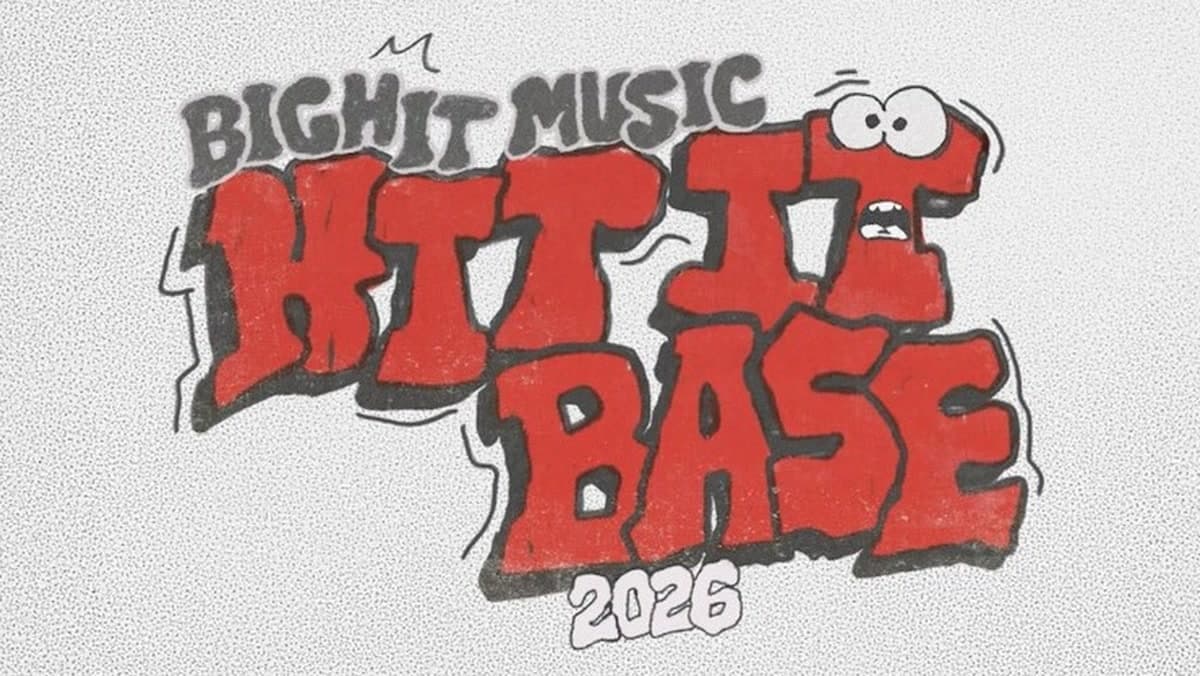
HYBE LABELS has spotlighted the next-generation side of its music ecosystem with the official YouTube release of HIT IT BASE 2026 : FINAL SHOW. According to HYBE LABELS' official channel, the video captures the final-show moment of a teen music journey built around louder beats, hotter energy and young participants who share a love of music. The upload is brief, but its purpose is clear: it turns a talent-development program into a public-facing performance document for fans who follow how K-pop's future performers are discovered and encouraged.
The video connects the program to BIGHIT MUSIC and the broader HYBE lineage through hashtags including BTS, TXT and CORTIS. That does not make the final show a comeback or an idol release in the traditional sense, but it places the project inside a recognizable K-pop infrastructure. For viewers, the message is that HIT IT BASE belongs to the same ecosystem that has made trainee development, performance discipline and youth music storytelling central to modern Korean pop.
That makes the source a strong fit for an industry-focused K-entertainment article. Rather than covering a single track, the video points toward how major agencies use official YouTube channels to reveal the training, audition and youth-culture layers beneath finished idol products. The final show is a small window into that pipeline, and for fans who follow how new artists are found and shaped, those windows are increasingly valuable.
A Final Show Framed as Youth Music Culture
The language in the source description is simple but telling. It emphasizes a beat that rang louder, energy that grew hotter and teenagers completing a shared journey through music. That framing presents HIT IT BASE less as a closed industry audition and more as a youth music culture event. The participants are not described only as trainees or contestants; they are young people gathered around sound, performance and the experience of standing on stage.
That distinction matters because K-pop's public image is often built around finished precision. Fans see the polished music video, the music-show stage and the final debut lineup. Programs like HIT IT BASE show an earlier layer, where aspiration is still visible and the distance between fan, learner and performer is smaller. A final-show video can make that layer feel tangible without exposing private training systems or turning preparation into a full survival-show spectacle.
HYBE's decision to place the clip on its central channel gives the final show a wider audience than a niche recruitment page would receive. Viewers who follow HYBE LABELS for artist releases can encounter a program centered on youth musicians and understand that talent development is not separate from the company's brand. It is part of the story HYBE wants the public to see.
The connection to BIGHIT MUSIC is especially important. BIGHIT's history with BTS and TXT has made the label closely associated with artist narratives built around growth, performance and fan connection. By attaching HIT IT BASE to that name, the final show benefits from a context in which youth development and music ambition already carry strong meaning for fans.
Why Official YouTube Matters for Agency Programs
Official YouTube uploads have become one of the cleanest ways for agencies to communicate with global fans. A short video can travel farther than a press notice because it gives viewers a direct sense of atmosphere. In this case, the final-show clip lets audiences see the energy of the event rather than only read that it happened. That visual evidence is useful for a program whose value is tied to stage experience.
The format also helps international fans understand agency activity that might otherwise remain local. Teen music programs, auditions and final showcases often happen in Korean-language spaces, but a HYBE LABELS upload gives them global visibility. Even when the clip is brief, the official channel credit tells viewers that the event matters within the company's ecosystem.
That visibility can support future participation. Young musicians who see a final-show video may understand the program more clearly than they would from an announcement page. Parents, fans and aspiring performers can see the stage context and the seriousness of the presentation. For an agency, that kind of public archive can make future recruitment and brand trust easier.
It also serves fandom curiosity. K-pop fans increasingly care about process, not only outcomes. They watch trainee stories, practice footage, behind-the-scenes documentaries and audition-program clips because they want to understand how performance identities are built. HIT IT BASE fits that appetite by offering a glimpse of young musicians before the industry has fully packaged them.
BTS, TXT and CORTIS as Context, Not the Whole Story
The hashtags attached to the upload are important, but they should be read as context rather than a claim that the video is about those groups directly. BTS and TXT represent BIGHIT MUSIC's established global legacy, while CORTIS points toward the newer generation in that lineage. Together, those names help explain why a youth music final show uploaded by HYBE draws attention from K-pop watchers.
For fans, the connection is partly aspirational. BTS and TXT are examples of what BIGHIT's artist-development system can produce at the highest level, while newer acts show how that system continues evolving. A program like HIT IT BASE sits below that level, closer to the raw beginning of musical ambition. That contrast gives the final-show clip its emotional appeal.
It also highlights the broader industry trend of agencies turning development into content. The old model kept training almost entirely hidden until debut. The current model allows controlled glimpses: final shows, challenge clips, documentaries, audition programs and practice-room content. These glimpses build trust and keep fans engaged with the pipeline before a formal artist launch.
That does not mean every participant becomes a public idol, and the article should not overstate the stakes. The safer reading is that HYBE is presenting youth music participation as part of its cultural footprint. The final show celebrates the process, the stage and the energy of teenagers making music together.
What HIT IT BASE Can Build From Here
The next opportunity for HIT IT BASE is continuity. A single final-show upload documents one event, but recurring clips, participant highlights or short interviews could help audiences understand the program's identity more deeply. If HYBE wants the project to become recognizable beyond recruitment circles, official video storytelling will be the most efficient route.
The search value is already clear. "HIT IT BASE 2026 FINAL SHOW" is a specific query, and the HYBE LABELS upload gives it an authoritative destination. Fans interested in BIGHIT MUSIC, BTS, TXT, CORTIS or HYBE's training culture can all arrive at the video from slightly different angles. That makes the final show a useful piece of connective content.
For K-entertainment readers, the significance is not only who appeared on stage, but what the upload reveals about the industry's future-facing strategy. Major agencies are no longer promoting only finished artists. They are also promoting the culture of preparation, participation and aspiration that surrounds those artists. HIT IT BASE 2026 sits squarely in that space.
The broader outlook is that HYBE can use official-channel clips like this to make its talent-development ecosystem more visible without turning every program into a high-pressure survival show. The FINAL SHOW upload is short, but it carries a clear message: before the next polished release, there are young musicians learning how to command a stage. That story is part of K-pop's appeal, and HYBE has chosen to put it in front of a global audience.
How do you feel about this article?
저작권자 © KEnterHub 무단전재 및 재배포 금지
Entertainment Journalist · KEnterHub
Entertainment journalist focused on Korean music, film, and the global K-Wave. Reports on industry trends, celebrity profiles, and the intersection of Korean pop culture and international audiences.
Comments
Please log in to comment