Jo Hye-ryun Turns Taebo Into K-Variety Gold
The Radio Star clip shows how a veteran comedian turned a revived workout image into advertising, YouTube plans and studio comedy.
 By Seung Jung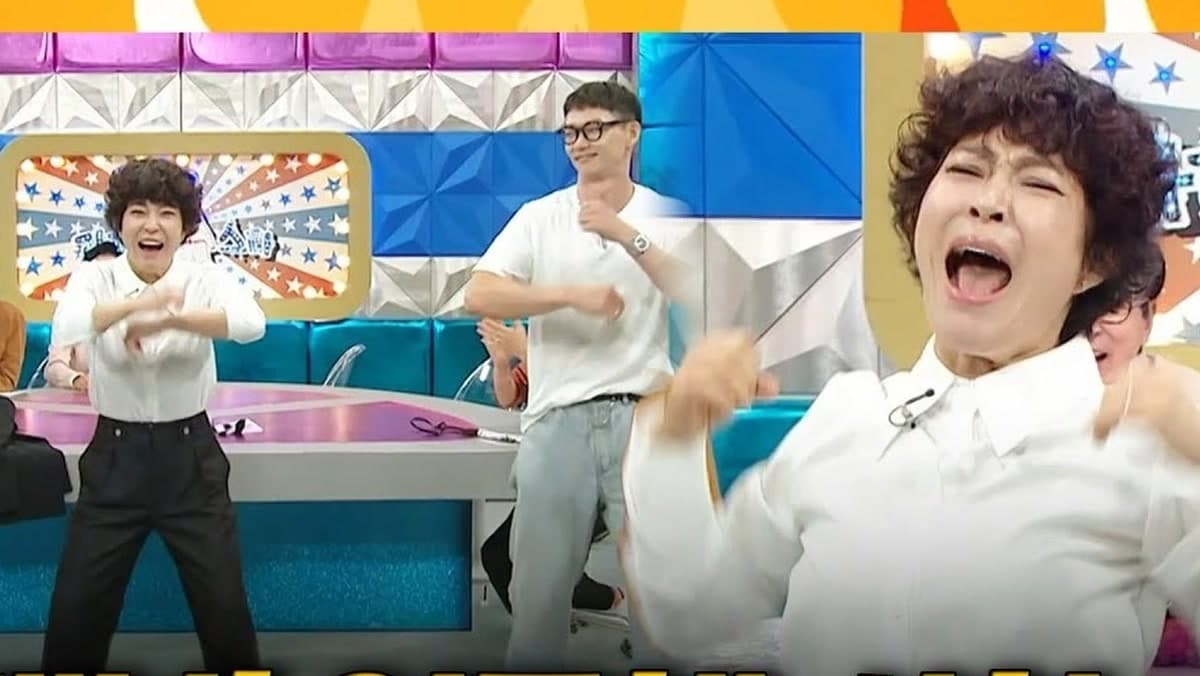
Jo Hye-ryun turned a Radio Star segment into a reminder of how quickly old Korean variety moments can find new commercial life online. In an official MBC Entertainment YouTube clip from the September 2, 2026 broadcast, the veteran comedian explained that renewed interest in her taebo material led to an unexpected advertising opportunity with Dungeon & Fighter, then demonstrated a new exercise routine for the studio.
According to MBC Entertainment's official YouTube channel, the clip centers on Jo's taebo revival, her game-ad model story and a playful studio lesson that pulls fellow guests into the movement. The source is a broadcaster-uploaded excerpt from Radio Star, not a fan recording, which makes it a valid official variety source for covering how Korean entertainers are extending legacy characters into current platform culture.
Jo described the chain of events in comic terms. Her earlier diet-video image and taebo routines had returned to public attention, and the online afterlife of that material reportedly opened the door for Dungeon & Fighter to cast her in an advertisement. She framed the moment as proof that one old piece of entertainment can suddenly become useful again when audiences rediscover it through memes, clips and short-form viewing habits.
A Veteran Comedian Finds New Life in an Old Routine
Jo Hye-ryun is not a newcomer trying to introduce herself through one viral bit. She is a long-running Korean comedian with decades of television experience, and that history is what gives the Radio Star clip its charm. The humor comes from watching a familiar entertainer treat an old physical-comedy asset as new currency in the current attention economy.
In the clip, Jo connects her taebo image to a new YouTube idea she calls "Taeunjaro," a wordplay that positions the routine as a way to burn energy through taebo. She suggests building short, repeatable videos around the format, roughly in the 10-to-15-minute range, so viewers can return to it regularly. That detail moves the gag beyond nostalgia. Jo is not only laughing about a past craze; she is thinking like a creator who understands repeat viewing.
The segment also shows why Jo's variety instincts remain durable. She does not present the routine as a polished fitness product first. She sells it through timing, exaggeration and participation. The studio becomes a small class, the guests become reluctant students, and the workout becomes a comic performance that still looks physically demanding enough to make the joke land.
That blend of effort and absurdity has long been one of Korean variety's strongest formulas. A celebrity can make viewers laugh by overcommitting to a silly premise, but the moment works best when the effort is real. Jo's taebo demonstration fits that tradition. The punches, steps and shouted rhythm are funny because she performs them with conviction.
From Broadcast Clip to Brand Opportunity
The Dungeon & Fighter advertising anecdote is the most commercially interesting part of the clip. Jo says the game wanted to use her as a model after the taebo material resurfaced, and she jokes about entering the concept as a female fighter. The logic is easy to understand: a physically expressive comedian with a recognizable workout image can be repackaged naturally for a game built around action, combat and exaggerated character energy.
That is a useful example of how Korean entertainment IP now travels. A television personality's old routine does not remain locked in its original broadcast period. It can be rediscovered through YouTube, circulate as a meme, become a short-form reference, and then return as a brand-safe concept for advertising. The cycle rewards entertainers who have distinctive, easily summarized images. Jo's taebo persona is exactly that kind of image.
For brands, the appeal is also practical. Nostalgia gives older viewers a reason to pay attention, while the physical comedy gives younger viewers a quick entry point even if they do not know the full backstory. A game advertisement can use that shared recognizability without requiring a complicated campaign explanation. Jo's body language does much of the work.
Radio Star benefits from the same dynamic. By giving Jo space to tell the story and demonstrate the moves, the program turns a commercial anecdote into a studio set piece. The clip becomes watchable as comedy, as a celebrity update and as a small case study in how old broadcast personas can become new platform content.
The Studio Lesson Becomes the Punchline
The clip's second half works because Jo turns explanation into action. She invites the studio to learn a routine, breaking the movement into punches and footwork while the other guests react with varying levels of confidence. Ryu Seung-soo is pulled into the rhythm, and Japanese actor Kasamatsu Sho becomes part of the comic exchange as the room grows increasingly physical.
The captions capture the escalating joke: what begins as a talk-show anecdote starts to feel like a body-language program. That is a classic Radio Star move. The hosts and guests let a topic run until the studio itself changes shape, shifting from interview table to performance space. Jo's energy drives that shift because she understands how to keep control while making it look chaotic.
For viewers, the appeal is not only the moves but the social reaction around them. A workout routine on its own might be instructional. A variety-show workout becomes entertainment because everyone in the room must negotiate embarrassment, stamina and timing in real time. Jo's authority as the routine's creator lets her push the guests without the bit feeling forced.
That is also why the clip is likely to travel well online. Short excerpts of guests trying to follow a punch-step sequence are easy to share, and Jo's concept is clear within seconds. The more physical the exchange becomes, the less language-dependent it is for international viewers who may not catch every line of Korean dialogue.
What Jo's Taebo Revival Says About K-Variety
Jo Hye-ryun's Radio Star appearance points to a broader pattern in Korean variety: veteran entertainers are finding new relevance by converting recognizable archive moments into platform-native formats. The strategy does not require pretending the past is new. Instead, it asks whether an old character, song, catchphrase or routine can be reframed for today's viewing habits.
In Jo's case, taebo offers a strong bridge because it is visual, participatory and easy to repeat. It can be clipped into a few seconds, expanded into a 15-minute YouTube routine or folded into a television talk-show segment. That flexibility makes it more valuable than a one-line joke. It is a format that can move between platforms.
The positive tone of the MBC clip also matters. Jo is not presented as chasing a trend from the outside. She appears amused, energetic and ready to turn the renewed attention into another performance opportunity. That confidence is part of the story. It shows a veteran comedian adapting without losing the exaggerated physical style that made the original image memorable.
For Radio Star, the segment gives viewers an easy headline: Jo Hye-ryun's taebo is back, and it has already crossed into advertising and YouTube planning. For Jo, it reinforces her place as an entertainer who can still make a studio move around her. The result is a small but telling K-variety moment, where nostalgia, branding and physical comedy all land in the same punch combination.
How do you feel about this article?
저작권자 © KEnterHub 무단전재 및 재배포 금지
Senior Entertainment Correspondent · KEnterHub
Senior entertainment correspondent with a wide-angle view of Korean show business. Seung Jung covers celebrity news, variety television and award season, and writes the interviews and features that connect individual stories to the larger currents of Korean entertainment.
Comments
Please log in to comment