RESCENE Spotlights K-Culture's LA Takeover
JTBC Entertainment's official highlight links RESCENE at KCON LA 2026 with K-beauty, K-food, and lifestyle growth.
 By Park Chulwon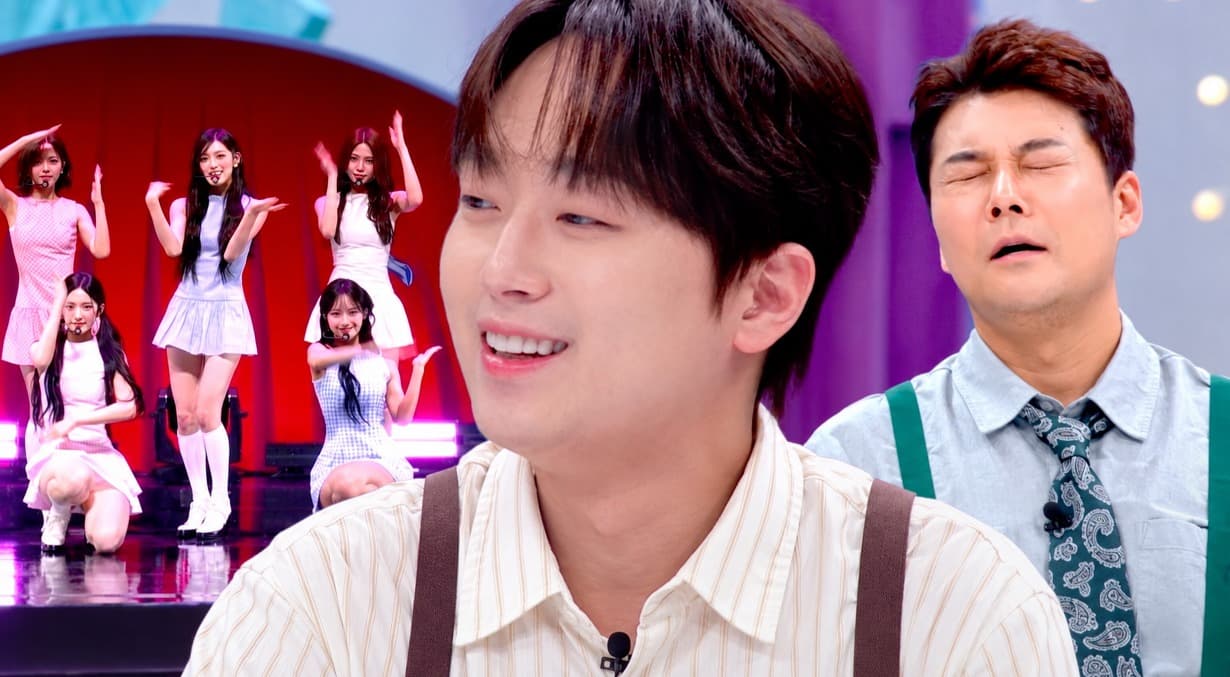
RESCENE's appearance inside a new JTBC Entertainment YouTube highlight has turned a Los Angeles travel segment into a compact snapshot of where K-culture sits in 2026: still powered by K-pop, but increasingly visible through beauty, food, retail, and everyday lifestyle spaces.
According to JTBC Entertainment's official YouTube channel, the 1,339-second highlight opens at the KCON LA 2026 convention center and frames the scene around the K-culture craze sweeping Los Angeles. The title points to Lee Chan-won's reaction to seeing RESCENE at KCON, while the transcript quickly broadens from the convention floor to the city around it. In the same segment, the program moves through Venice Canal Historic District, a well-known taco stop, Olive Young's first U.S. store in Pasadena, and Tous Les Jours, presenting Los Angeles as a place where Korean entertainment and Korean lifestyle branding meet in public view.
The video is not a conventional comeback clip, and it is not built around one formal interview. Its news value comes from the way it places RESCENE within a wider cultural map. KCON supplies the obvious K-pop anchor, but the surrounding itinerary shows how broadcasters are now telling the global Hallyu story through a full ecosystem: idols, retail, food, beauty, local neighborhoods, and the reactions of Korean entertainers watching those pieces take root abroad.
RESCENE at KCON LA Shows K-Pop's Anchor Role
The verified source begins at KCON LA 2026, a setting that immediately gives the segment its K-entertainment center of gravity. RESCENE's mention inside that opening matters because KCON remains one of the clearest stages for how newer K-pop acts enter a global fan conversation. Even a brief highlight can position a group in relation to the broader movement: fans gather for performances and artist moments, while broadcasters use those scenes to explain why Korean pop culture remains visible far beyond Seoul.
For RESCENE, a fifth-generation girl group, that kind of visibility is especially useful. Newer groups often build international recognition through cumulative appearances rather than a single breakthrough clip. A KCON reference places the group in a global context, while a variety-travel program gives general viewers a softer entry point than a stage performance alone. Viewers may arrive because of Lee Chan-won, because of the Los Angeles travel angle, or because they are tracking KCON, and still encounter RESCENE as part of the story.
The program's framing also suggests that K-pop is no longer treated as a stand-alone export. It is the headline attraction, but it now sits beside adjacent categories that international audiences recognize as part of the same cultural wave. That is why the segment can move from the convention center to local food scenes, beauty retail, and bakery culture without feeling disconnected. K-pop gets people into the story; K-lifestyle keeps expanding the story once they are there.
That shift is important for coverage of younger idol groups. When a broadcaster places a group like RESCENE within a broader K-culture package, it signals that fandom is not only measured by concert attendance or album sales. It is also shaped by the everyday environments where fans encounter Korean culture: a beauty store, a snack aisle, a bakery counter, a travel vlog, or an official YouTube highlight clipped for global audiences.
From Convention Floor to K-Lifestyle in Los Angeles
JTBC Entertainment's transcript makes a deliberate move from KCON to Los Angeles neighborhoods and lifestyle stops. The Venice Canal Historic District appears as a visual travel location, and the taco-truck sequence places Korean entertainers inside a city known for its layered food culture. Those scenes may not be Korean in themselves, but they create the local backdrop for the segment's central point: K-culture is being observed inside a multicultural city rather than in an isolated promotional venue.
The strongest Hallyu signal in the second half of the source comes through K-beauty. The transcript identifies Olive Young's first U.S. store in Pasadena and describes the location as part of a major commercial district. It also says the opening drew long lines, presenting the shop not merely as a retail stop but as a visible marker of demand. The program describes K-beauty, K-wellness, and K-food as categories gathered under a broader K-lifestyle umbrella.
That framing matters because it reflects how global K-culture is often consumed now. A fan might discover Korea through a group such as RESCENE, then become interested in makeup looks, skincare routines, packaged snacks, bakery chains, language, travel, or variety programming. The boundaries between these categories are porous. Idol culture introduces a visual and emotional language; lifestyle brands turn that language into everyday habits.
Tous Les Jours plays a similar role in the transcript. The bakery is described as familiar to Korean viewers and increasingly embedded abroad. The source does not require a hard business claim to make the cultural point. The presence of Korean bakery culture in an LA itinerary helps illustrate that Hallyu is no longer only something watched on a screen. It is something viewers can taste, buy, photograph, and fold into a local routine.
Why Broadcaster Highlights Matter for Global Hallyu
Official broadcaster YouTube clips have become a major layer of K-entertainment distribution. They do not simply recap television content; they often reframe it for search, social sharing, and international discovery. This JTBC Entertainment highlight is a good example. The title gives viewers a K-pop hook through RESCENE and KCON, while the long transcript gives the segment enough range to function as a broader Hallyu explainer.
That packaging is valuable because global audiences rarely encounter K-culture through one channel alone. A viewer may watch a performance, then look up a variety appearance, then follow a restaurant or skincare recommendation. Broadcaster clips sit at the intersection of those habits. They carry the authority of a television program while remaining searchable and embeddable on YouTube. For K-pop groups, that means even a brief appearance can keep a name moving through the recommendation stream.
The Lee Chan-won framing also gives the segment a domestic entertainment lens. His reaction is presented as part of the title, suggesting that the program is asking Korean viewers to see Los Angeles through both familiarity and surprise: familiar because K-culture is the subject, surprising because that culture is now visible across a major American city. This is a common and effective Hallyu storytelling device. It lets the audience measure global reach through the response of a recognizable Korean entertainer.
Still, the source should be read carefully. The transcript confirms the KCON setting, RESCENE's presence in the title and opening context, and the K-lifestyle stops. It does not provide detailed RESCENE interview comments, performance notes, or fan-reaction data. A responsible article should therefore avoid inventing those details. The stronger story is not what RESCENE specifically said in the clip, but what their placement in the segment indicates about K-pop's role in the expanding cultural circuit around Los Angeles.
What the Segment Says About K-Culture's Next Phase
The broader takeaway is that K-culture coverage is becoming more spatial. Instead of treating Hallyu as an abstract global trend, programs increasingly show where it appears: convention centers, shopping streets, bakeries, beauty counters, and city landmarks. That makes the trend easier for viewers to understand. It also gives K-pop artists a wider frame, connecting them to a network of consumer and cultural spaces that fans can recognize in their own cities.
For RESCENE, being named in a KCON LA highlight gives the group another point of association with the international stage. For JTBC Entertainment, the segment offers a narrative that feels bigger than one event: K-pop brings viewers to KCON, but K-beauty, K-food, and Korean lifestyle brands show how that interest continues beyond the convention hall. For fans, the video provides an official, easy-to-share window into that movement.
The timing is also useful for general K-entertainment readers. As the K-pop market becomes more crowded, groups need visibility in formats that do more than repeat performance clips. Travel-variety highlights, local culture segments, and official YouTube packages can help newer names stay attached to larger conversations. RESCENE's appearance in this JTBC clip works in exactly that way: small in screen time, but meaningful in context.
What comes next will depend on how RESCENE and other fifth-generation groups continue to appear across festivals, variety shows, and global lifestyle programming. The JTBC Entertainment highlight suggests that the most durable Hallyu stories may be the ones that connect music to place. In Los Angeles, that means a KCON convention floor can lead naturally to a beauty store in Pasadena, a Korean bakery, and a broader discussion about why K-culture feels increasingly ordinary in international daily life.
That ordinariness is the point. K-culture's global power is no longer measured only by spectacle. It is also measured by how easily Korean entertainment names, brands, and habits appear in a city itinerary. RESCENE's KCON LA moment, as presented through JTBC Entertainment's official YouTube highlight, sits neatly inside that next phase.
How do you feel about this article?
저작권자 © KEnterHub 무단전재 및 재배포 금지
Entertainment Journalist · KEnterHub
Entertainment journalist focused on Korean music, film, and the global K-Wave. Reports on industry trends, celebrity profiles, and the intersection of Korean pop culture and international audiences.
Comments
Please log in to comment